
Packing Strategies for International Moving Containers

Author

Mikali Alderson

Mikali Alderson is an editorial writer focused on international moving containers and global household relocations. He breaks down how container shipping works, what goes wrong, and how experienced movers plan ahead.


Proper packing is the backbone of a successful international move. An international moving container is only as effective as the way goods are prepared, secured, and organized inside. Unlike domestic moves, overseas relocation exposes items to weeks at sea, multiple handling points, and environmental challenges like humidity, vibration, and temperature variations.

Understanding the Importance of Professional Packing

Many relocation issues—damage, delays, and inspection complications—stem from inadequate packing. International movers emphasize that packing is not just about filling space; it’s about protecting value, ensuring stability, and meeting regulatory standards.

Well-executed packing strategies:

  • Preserve the integrity of fragile and valuable items

  • Facilitate efficient loading and unloading

  • Reduce the likelihood of inspections or repacking at destination ports

  • Ensure compliance with customs and biosecurity regulations

Key Packing Principles for Containers

  1. Categorize and inventory items
    Begin by creating a detailed inventory of your household goods. Group items by type, fragility, and destination requirements. Clear labeling and itemized lists simplify customs clearance and help with insurance claims if damage occurs.

  2. Use high-quality packing materials
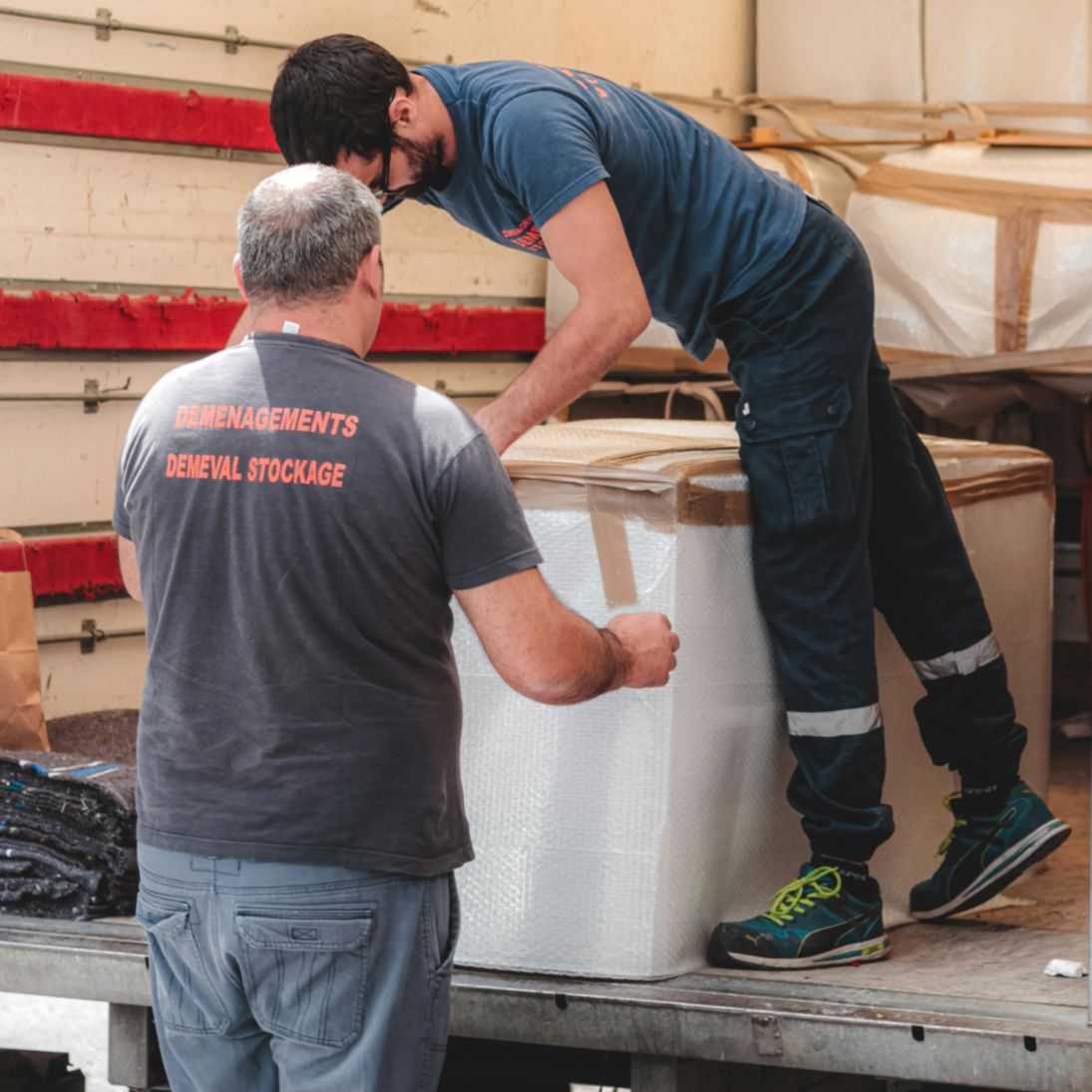
    Strong, moisture-resistant boxes, bubble wrap, furniture blankets, and packing tape are essential. For delicate items like electronics, artwork, and glassware, additional cushioning is necessary.

  3. Maximize container space efficiently
    Containers are measured and charged based on volume and weight. Carefully stack items to minimize wasted space while maintaining stability. Heavy items should be placed at the bottom, and lighter, fragile items on top.

  4. Secure items to prevent movement
    Vibration during transit can shift unsecured cargo, causing damage. Use strapping, padding, and braces to stabilize large furniture and appliances.

  5. Plan for easy access to critical items
    Items that may be needed immediately upon arrival should be packed near the container doors or in separate boxes that are accessible without unpacking the entire container.

Special Considerations for Fragile or Bulky Items

  • Furniture: Disassemble when possible to save space and protect integrity. Wrap corners and edges with blankets or foam.

  • Appliances: Empty fluids, secure loose parts, and wrap in protective materials.

  • Artwork and mirrors: Use reinforced crates and clearly mark as fragile.

Compliance and Inspection Awareness

Containers are often inspected by customs or biosecurity authorities. Poor packing can trigger inspections, delays, or even fines. Clean packing materials, accurate declarations, and organized placement minimize the risk of unnecessary scrutiny.

Conclusion

Efficient packing transforms an international moving container from a simple shipping vessel into a secure, organized transport system. Prioritizing protection, organization, and compliance ensures your household goods arrive safely and reduces stress during the move. Investing time and expertise in packing is a small effort compared to the cost and frustration of damaged or delayed shipments.

All rights reserved. ©2026 - Gontrancherrier.com.au