


Mikali Alderson
Mikali Alderson is an editorial writer focused on international moving containers and global household relocations. He breaks down how container shipping works, what goes wrong, and how experienced movers plan ahead.
Moving household goods overseas is often presented as a simple transaction. A quote is issued, a container is booked, and a timeline is promised. In reality, an international move is a sequence of technical, regulatory, and logistical decisions that begin long before anything is loaded into a container.
This guide exists to explain those decisions clearly.
Rather than focusing on providers or pricing shortcuts, this page walks through how container-based international moves actually work, where risks emerge, and why outcomes vary so widely between seemingly similar relocations.
What Is an International Moving Container?
An international moving container is a standardized steel container used to transport household goods across borders, primarily by sea. These containers are designed for global intermodal transport, allowing them to move seamlessly through trucks, ports, vessels, and terminals with minimal direct handling of the items inside.
For household relocations, the container acts as a secure, sealed environment that holds personal belongings from origin to destination. Once loaded and sealed, it often remains unopened until customs inspection or final delivery, ensuring the integrity and safety of the cargo.
This single fact underscores why early decisions are so important when planning a move. Choosing the right size, understanding packing requirements, and evaluating logistics in advance are critical steps to ensure a smooth relocation with international moving containers.
Why Containers Define the Outcome of a Move
Containers are not merely metal boxes used to move belongings from one country to another. In international relocations, the container quietly dictates almost every practical and regulatory decision that follows. From cost calculations to customs outcomes, its role is structural, not incidental.
First, containers determine how space is measured and charged. International moves are priced less by weight than by volume, and the container becomes the reference unit for that calculation. Whether a household fits into a shared container, a sole-use 20-foot unit, or requires the capacity of a 40-foot container directly affects freight rates, port handling fees, and even inland transport costs on both ends of the journey.
Second, containers define how goods are packed and secured. Packing methods are not arbitrary. They are shaped by container dimensions, door access, ceiling height, and load-bearing limits. Professional packers plan loading sequences around container structure to prevent shifting during ocean transit, manage pressure points, and protect fragile household items over weeks at sea. A poorly matched container size often leads to inefficient packing and higher risk of damage.
Third, container selection influences which inspections are triggered. Customs authorities and biosecurity agencies assess shipments based on container type, usage history, and packing method. Sole-use containers, shared containers, and consolidation shipments are each subject to different scrutiny levels. Factors such as wooden packing materials, used household goods, and container cleanliness can trigger inspections that delay clearance and increase costs.
Fourth, containers affect how insurance applies. Marine transit insurance is structured around containerised cargo. Coverage terms, liability limits, and claims assessments often depend on whether goods were containerised correctly, packed to industry standards, and sealed according to documented procedures. In the event of damage, the container’s condition and packing layout become part of the claim evaluation.
Finally, containers determine whether delivery is straightforward or complex. Door-to-door delivery depends on container accessibility at the destination. Local road restrictions, crane requirements, unloading space, and storage availability are all tied to container size and handling method. What works smoothly at the port may become a logistical challenge at a residential address if container planning was not done upfront.
In short, the container is not just a transport tool. It is the framework around which international household moves are planned, priced, inspected, insured, and delivered. Understanding this early is what separates a predictable relocation from an expensive and stressful one.
Many relocation issues trace back to container-related decisions made before packing begins. Choosing the wrong size, underestimating volume, or misunderstanding shared arrangements can lead to delays, extra handling, and unexpected costs later in the process.
Understanding containers early allows movers to evaluate offers realistically instead of reactively.
Common Container Types Used for Household Goods

Most international household relocations rely on a small set of container types:
20-foot containers, typically used for small to medium households
40-foot containers, suited for larger homes or full-family relocations
High cube containers, offering additional vertical space
Each option affects loading strategy, weight distribution, and port handling. The choice is rarely just about volume. Access at destination, road restrictions, and unloading conditions often matter just as much.
Full Container Load vs Shared Containers
One of the most important decisions in an international move is whether household goods travel alone or share space with other shipments.
A full container load offers control and simplicity. A shared container, sometimes referred to as groupage or consolidation, can reduce upfront cost but introduces dependencies on other shipments, schedules, and clearance timelines.
Shared arrangements are not inherently bad, but they require realistic expectations. Delays and inspections often affect all parties sharing the container, not just one household.
Packing Standards and Load Integrity
Packing for international transport is not the same as packing for storage or domestic moves. Household goods must withstand weeks at sea, vibration, humidity, and multiple handling points.
Professional packing standards focus on:
Load stability inside the container
Protection against moisture and movement
Compliance with customs and biosecurity rules
Clear inventory and labeling
Poor packing does not only increase damage risk. It also raises the likelihood of inspections, unpacking, and repacking at destination ports.
The Journey Through Ports and Transit
Once sealed, a container enters a complex global system. It moves through export terminals, loading cranes, vessels, transshipment hubs, and destination ports.
Transit time estimates are influenced by vessel schedules, port congestion, weather, and geopolitical conditions. Delays are common and often outside the control of any single party.
Understanding this helps movers distinguish between unavoidable disruptions and preventable mistakes.
Customs Clearance and Inspection Reality
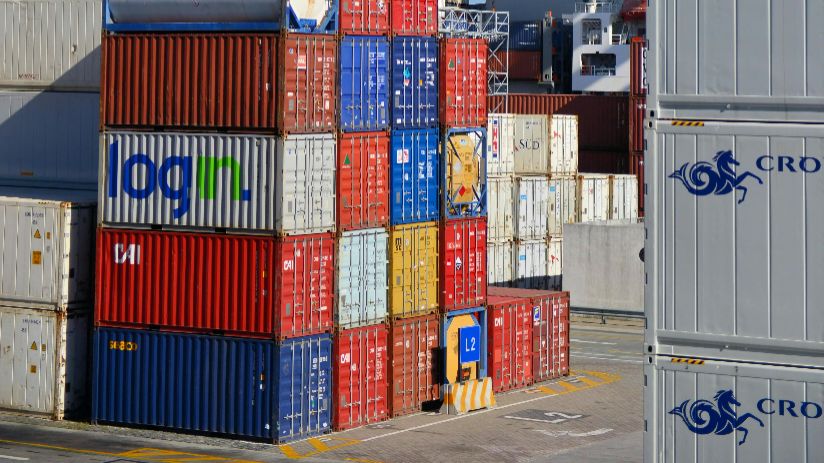
Every international household move must pass through customs at destination. Clearance is not automatic.
Authorities review documentation, declared contents, and risk indicators. Some containers are cleared electronically. Others are flagged for physical inspection, especially in countries with strict biosecurity or quarantine regimes.
Accuracy in declarations, packing cleanliness, and paperwork consistency play a major role in how smoothly clearance proceeds.
Delivery Beyond the Port
Reaching the destination port is a significant milestone, but it is far from the end of an international move. The journey continues as containers must be transported to the final residence, business, or an interim storage facility. This stage—often referred to as the “last mile”—presents its own set of logistical, regulatory, and operational challenges, which can have a major impact on cost, timing, and stress levels for movers.
One of the most common hurdles is restricted access for large vehicles. Many urban areas, historic districts, or gated communities have limitations on truck size, weight, or timing of deliveries. Oversized containers require specialized handling equipment and sometimes coordination with municipal authorities to ensure safe passage. Without pre-planning, attempts to deliver a container can result in delays, fines, or the need to offload cargo at a remote location, adding extra labor and cost.
Local regulations on container placement are another critical factor. Some cities impose strict rules on where containers can be parked, how long they can remain in a public or private space, and whether permits are needed for temporary storage during unloading. Ignoring these regulations can lead to fines or forced relocation of the container, interrupting the delivery schedule and creating unnecessary stress.
The distance from port to residence also matters. Even if a container is cleared quickly, long inland hauls increase transport costs and may require multiple handling steps. Bridges, road restrictions, or narrow streets can necessitate alternative routes or the use of smaller vehicles, each of which affects timing and efficiency.
Finally, storage requirements come into play if immediate delivery is not possible. Some residences may not be ready to receive a container due to construction, renovations, or space constraints. Temporary storage solutions, whether at a local warehouse or a secure facility, can add both cost and complexity, especially if the container contains fragile or high-value items.
All of these factors are frequently underestimated or overlooked during the planning phase, yet they play a decisive role in how smooth the final stage of an international move will be. By anticipating port-to-door challenges, movers can develop realistic timelines, coordinate necessary permits, and reduce the risk of unexpected fees or delays. Understanding these delivery dynamics early allows for a more controlled and predictable relocation, turning what is often the most stressful part of the move into a manageable, well-orchestrated process.
Insurance, Liability, and Risk Awareness
Insurance is frequently misunderstood in international moves. Coverage depends on declared value, packing responsibility, and policy conditions.
Not all damage is covered. Not all delays are compensable. Knowing what insurance does and does not protect helps set realistic expectations and encourages preventive planning.
Making Informed Decisions Before You Commit

International moving containers are not inherently risky, but uninformed decisions are.
By understanding how containers are selected, packed, shipped, cleared, and delivered, movers gain leverage. They can ask better questions, identify red flags early, and avoid committing to arrangements that do not fit their situation.
This guide is intended as a starting point, not a shortcut. Each section connects to deeper explanations across the site for readers who want to explore specific aspects in detail.
Where to Go Next
If you are planning an overseas move, the next step is to dive deeper into the areas that affect your situation most. Container choice, packing standards, customs requirements, and destination logistics all deserve focused attention.
Clarity at the beginning prevents costly surprises later.